


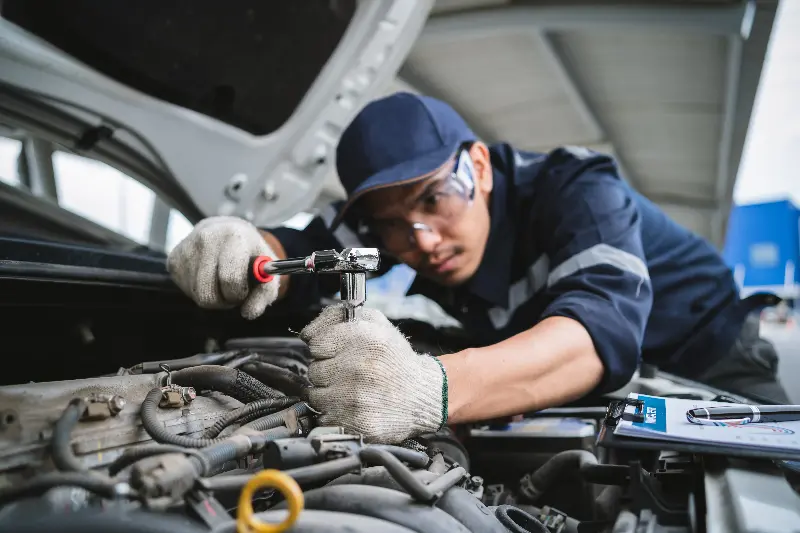
You might love the thrill of a new adventure or simply long for worry-free commutes, but there is one universal truth: taking care of your vehicle isn’t just about shiny paint and spotless interiors. Smart maintenance is the true secret behind a car that ages gracefully, stays reliable, and protects your investment for years to come. Whether you drive a classic convertible or an all-weather SUV, mastering the art of regular maintenance isn’t rocket science—it’s about a few fundamentals that pay off in longevity and peace of mind.
ROUTINE CHECKS THAT MATTER
Your vehicle is a finely tuned machine, and like any machine, it thrives on attention. One of the most overlooked secrets to extending your car’s life is sticking to routine inspections. Think of these as quick wellness checks for your four-wheeled friend.
Start with your fluids—oil, coolant, brake, and transmission fluid. These are your car’s lifeblood. While oil changes every 3,000 to 5,000 miles used to be the golden rule, modern synthetic oils and engines often stretch that to 7,500 or even 10,000 miles.
- Check the Manual: Always consult your owner’s manual for your car’s specific "sweet spot".
- Engine Health: Ignoring oil quality risks severe engine wear.
- Temperature Control: Neglecting coolant can lead to costly overheating issues and warped engine components.
Tires are another silent guardian. You should check your tread depth monthly by inserting a penny into the tread with Lincoln’s head upside-down. If you can see the top of his head, it’s time for new tires. Additionally, keep them properly inflated; incorrect pressure can increase wear, reduce fuel economy, and make braking less responsive.
SECRETS BEHIND SYSTEMS THAT GO THE DISTANCE
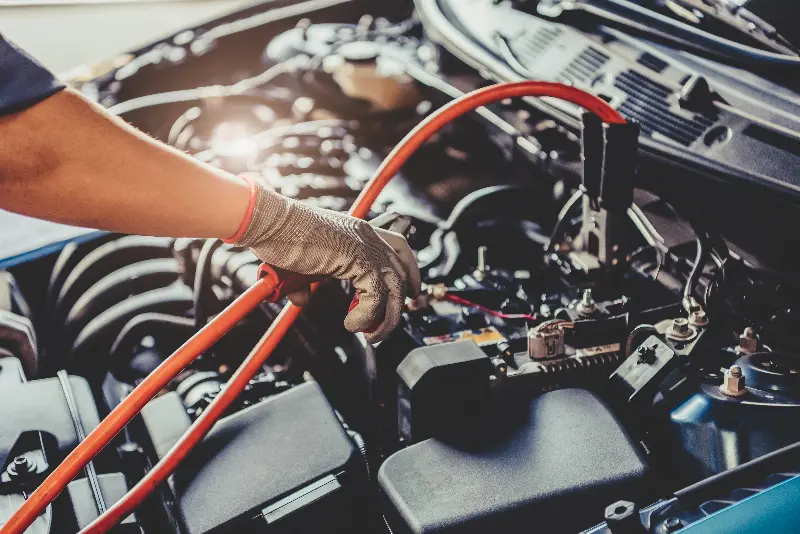
Every season brings new challenges, and seasonal checks can reveal early warning signs your car may otherwise keep hidden. For instance, battery health fluctuates wildly with temperatures. Cold winters can sap cranking power, while hot summers accelerate internal corrosion.
- Battery Maintenance: Clean the terminals regularly and test the voltage to avoid being stranded.
- Brake Inspection: Don’t wait for noises. Check your brake pads twice a year for thickness and inspect rotors for grooves.
- Visibility Essentials: Replace wiper blades every six months. Clear visibility is the difference between a safe journey and a risky one during a midnight downpour.
If you notice vibrations when braking, it might point to uneven rotors or worn suspension parts. Addressing these "small" vibrations early prevents them from shaking apart more expensive steering components later.
THE UNDERESTIMATED IMPACT OF CLEANLINESS
It’s tempting to think that appearances are just for show, but keeping your car clean extends far beyond aesthetics. Dirt, salt, and debris on your vehicle’s underside can cause oxidation and rust over time, especially in regions where winter road salt is common.
Regular washing—specifically rinsing the undercarriage—protects metal components and suspension parts from premature corrosion. Inside the cabin, vacuuming and wiping down surfaces prevents dust from damaging sensitive electronics. Take time to replace your cabin air filter periodically. Fresh, filtered air prevents buildup that could compromise your AC or heating system's efficiency.
SMART SAVING: WHEN TO DIY AND WHEN TO ASK A PRO
Some car maintenance tasks are straightforward enough for any enthusiastic owner. You can save significant money by handling basic "garage" tasks yourself:
- Changing wiper blades and air filters.
- Topping off fluids like washer fluid and coolant.
- Checking tire pressure and adjusting it to the PSI listed on your door jamb.
However, there are moments when it pays to let a professional handle the job. Alignments, complex electrical problems, transmission service, and timing belt replacements are intricate; mistakes here can be catastrophic. Building a relationship with a local, trustworthy mechanic means you have an expert who understands your car's history and quirks.
