


Aditya L1: India’s Daring Leap Towards the Sun—Everything You Need to Know About the First Indian Solar Mission
Ever wondered what secrets the Sun is still hiding from us? Imagine decoding mysteries that shape our weather, technology, and even life itself, all from 1.5 million kilometres away.
Envision a silent dance out in the inky blackness of space. On the edge of sight, a shining sentinel from India glides purposefully towards its destination: a point between the Earth and Sun where gravity’s pull perfectly balances. Meet Aditya L1, India’s first solar mission, a feat of science, engineering, and national ambition that’s set to unlock new chapters in space exploration.
If you’ve ever gazed up at the burning sky or wondered where tomorrow’s storms and auroras are born, this story is your front-row ticket to cosmic wonders. Read on, because what you discover may just change the way you feel about sunlight itself.
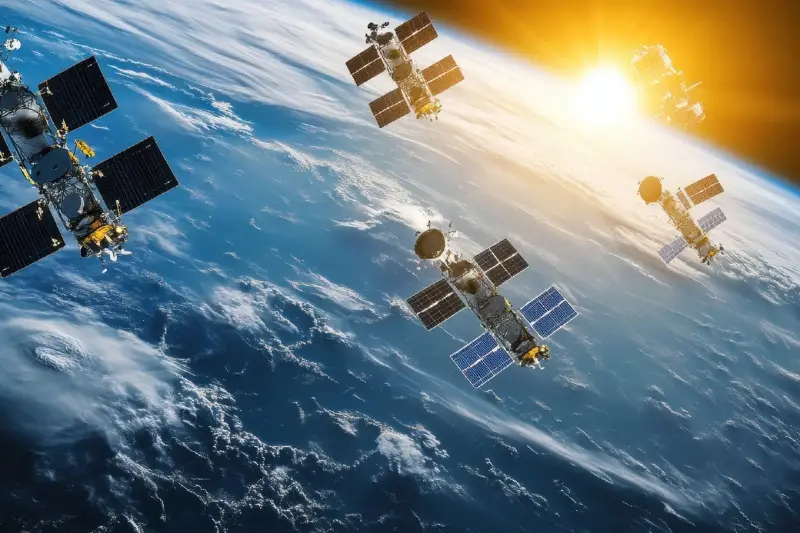
The Need to Chase the Sun
Have you paused, during a summer midday, to feel the sunlight prickle your skin? That warmth travels millions of miles—carrying not just heat, but invisible storms and cosmic puzzles.
The Sun impacts every breath we take and every beam that powers our day. Its magnetic storms can disrupt your smartphone, satellite TV, and even the world’s power grids. Yet, so many questions remain unanswered:
- Why does the Sun’s outer layer—called the corona—burn hotter than its surface?
- How do solar storms originate and propagate, sometimes knocking out communication on Earth?
- Can we predict solar weather to protect our technology?
Aditya L1 aims to solve these burning mysteries.
What Sets Aditya L1 Apart?
A Journey Unlike Any Other
While other nations have studied the Sun, Aditya L1 is a glorious milestone in India’s space journey. Unlike routine satellites, Aditya L1 isn’t simply orbiting Earth: it’s on a path to the Lagrange Point 1 (L1), a unique spot where the gravitational pulls of the Earth and Sun are perfectly balanced.
Here’s why that matters:
- Constant Sun Watcher: From L1, Aditya L1 gets an unhindered, 24/7 view of the sun, allowing scientists to observe phenomena in real time—no interruptions, no eclipses, just raw insight.
- First in the League: India joins an elite global club—the only Asian country attempting solar study from such a prime vantage.
This is not just a satellite—it’s a leap of faith, curiosity and collective ambition.
What Will Aditya L1 Actually Do?
Think of Aditya L1 as a cosmic detective, equipped with a suite of futuristic ‘magnifying glasses’.
It will carry seven state-of-the-art scientific instruments to:
- Visualize the Sun’s atmosphere (the corona and photosphere) in ultra-fine detail
- Measure solar winds and energetic particles
- Monitor changes in solar magnetic fields
- Capture beautiful, never-before-seen images of the solar storms
For India, it’s a seamless blend of technology and curiosity. For the world—it could mean smarter protection for our modern-day digital lives.
Why Should You Care?
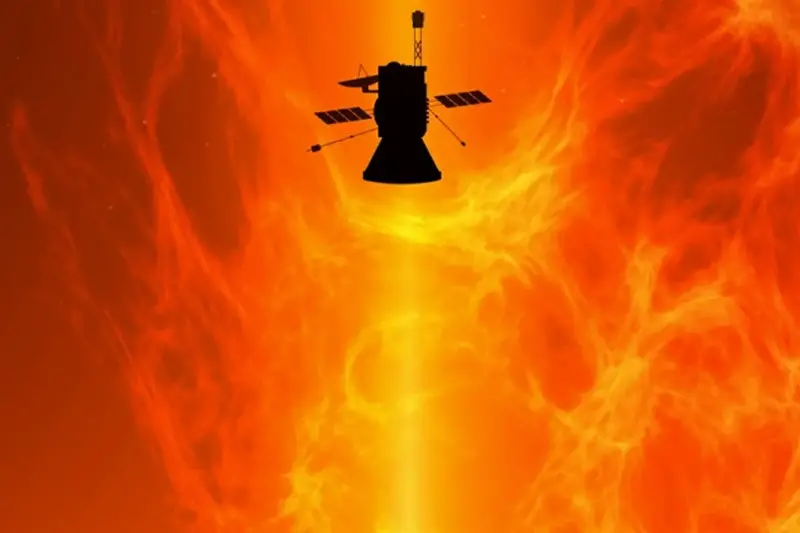
Sun Science Meets Your Daily Life
It’s easy to brush off space missions as distant, expensive adventures. But consider this:
- Space weather affects you more than you think. Solar flares can knock out navigation, impact flights, and even stall the internet.
- Data from Aditya L1 could make satellite tech, flights, and even energy grids safer and more predictable.
- The technology, jobs, and innovation from such missions flow straight into improved lives on Earth.
When India takes on the Sun, the warmth returns home in ways we’re only beginning to imagine.
Behind the Scenes: The Human Touch
It’s not just about steel and circuits. Aditya L1 is a story of sleepless nights, passionate scientists, and relentless hope.
- The mission has united thousands: from young engineers dreaming big in Bengaluru’s labs, to astronomers charting cosmic storms.
- Every tiny bolt and blueprint stands as proof of India’s growing confidence and bold vision.
It’s a national moment—a cosmic handshake with the universe that inspires the next generation to look up with wonder.
What’s Next After Reaching the Sun’s Vantage?
Arriving at L1 is only the beginning. Once in position, Aditya L1 will gradually:
- Engage its instruments after meticulous checks
- Begin streaming data back to Earth
- Feed India’s universities, scientists, and everyday people with knowledge that could ignite new paths in physics, engineering, and beyond
This isn’t just about space. It's about nurturing a new generation of curiosity and excellence.
Inspired by the Sun: Reflect and Dream
As vous stand at this intersection—looking up, wondering—remember: Aditya L1 is more than science. It is an expression of hope, courage, and the timeless Indian spirit to explore the impossible.
Every dawn, every spark of sunlight, now carries the promise of secrets waiting to be discovered.
So ask yourself—what mysteries surround you, right beneath your everyday sky?
Let Aditya L1’s journey remind vous: the brightest answers often lie just beyond the horizon, waiting for those bold enough to reach for them.
Curious for more? Subscribe for updates on India’s most exhilarating tech journeys. Because, as the Sun rises each day, so does the story of human discovery.