


China's Bold Leap: The First Supercomputer in Space—What This Means for Our Future
What happens when the world’s most populous nation decides to build not just rockets, but actual supercomputers in orbit? Picture this: a silent, shining satellite, humming with computational power as it circles above Earth, changing the course of science, industry, and even your daily life.
This isn’t the plot of a sci-fi blockbuster—it’s China’s latest revolution. The Chinese Space Agency has just announced an audacious plan to construct the world’s first orbital supercomputer, promising to unlock possibilities that once seemed lightyears away. As vous read on, you’ll discover how this floating powerhouse could shape global competition, technology, and perhaps even your own ambitions.
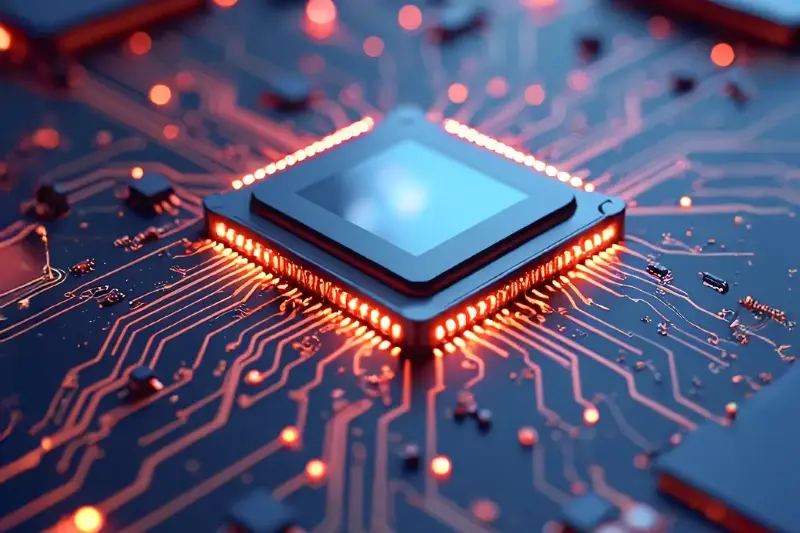
The Silence Above: A New Era Dawns
Imagine the endless night of outer space, silent except for the flicker of distant stars—and now, the quiet pulse of a supercomputer orbiting above. For decades, scientists have dreamed of harnessing space for more than communication or exploration. Today, China is taking the first audacious steps to make this real.
Why should this matter to vous? Because the decisions happening 400 kilometres above our heads could rewrite the rules about speed, privacy, connectivity, and national power. By understanding the headlines today, vous’re equipping yourself for the world of tomorrow.
Beyond Earthly Limits: Why Build a Supercomputer in Space?
At first glance, it almost sounds excessive: why send a supercomputer to orbit, when we have such powerful machines here on the ground? The reasons are as surprising as they are compelling.
- Instant Data Analysis: Many satellites capture an ocean of data—weather patterns, disaster zones, climate changes—but sending all that data back to Earth takes precious time. With a supercomputer in space, data can be processed instantly, and only the most valuable insights beamed home.
- Reduced Delays, Faster Decisions: Imagine emergency responders getting real-time disaster updates, or scientists tracking climate shifts as they happen.
- Next-Level Communications: By combining supercomputing with quantum technology (an area where China is investing heavily), secure, almost unbreakable communications could become a reality.
In short: Supercomputers in space mean faster, smarter, and safer decisions for everything from defending borders to saving lives in natural disasters.
The Technology Behind the Dream: Not Just Bigger, Smarter
China isn’t just stacking up processors and launching them into space. Here’s what makes this mission extraordinary:
- Radiation-Resistant Engineering: Electronics in orbit face intense radiation. Chinese engineers are developing new materials and protective systems to keep the supercomputer whisper-quiet and functional—even as cosmic rays batter its shell.
- Efficient Energy Usage: Power is precious in space. The supercomputer will use advanced solar panels and custom chips designed for maximum efficiency, ensuring every watt is put to use.
- Autonomous AI: Ground control can’t oversee every detail. The supercomputer will make independent adjustments, manage its health, and even defend against cyber intruders—no small feat for something circling Earth at 28,000 kilometres per hour.
Key takeaway: It’s not brute force, but elegant, self-sufficient design that could make China’s supercomputer project historic.
East vs. West: A New Frontier in Tech Race
The world is watching. Space has always been a stage for bold moves—the moon landings, the first space stations, the race to Mars. Now, supercomputers in orbit are poised to be the next frontier.
China’s move isn’t just technological, but political. By pushing ahead, they stake a claim in next-generation science, global communications, and even digital sovereignty. Countries like the US and members of the EU will need to innovate quickly, or risk lagging behind in a world where “up there” is as crucial as “down here.”
For Indian readers: This leap is a wake-up call. Beyond admiration, it poses pressing questions: How will India respond? What does our own space future look like? And how might this shift global alliances?
Everyday Impact: Why Should Vous Care?
You might wonder—what does all this mean for your life? The answers are closer than vous might think:
- Personal Data Security: Imagine banking systems using quantum-secure links powered by orbiting supercomputers. Data breaches could become a relic of the past.
- Better Disaster Management: Cyclones, floods, and earthquakes—real-time data crunching in orbit could save thousands of lives each year.
- Boost to Science & Medicine: Space-based supercomputing could accelerate vaccine research, predict pandemics, or even model climate interventions.
The real surprise? Much of this new tech could trickle down to enhance smartphones, vehicles, and home devices sooner than vous expect.
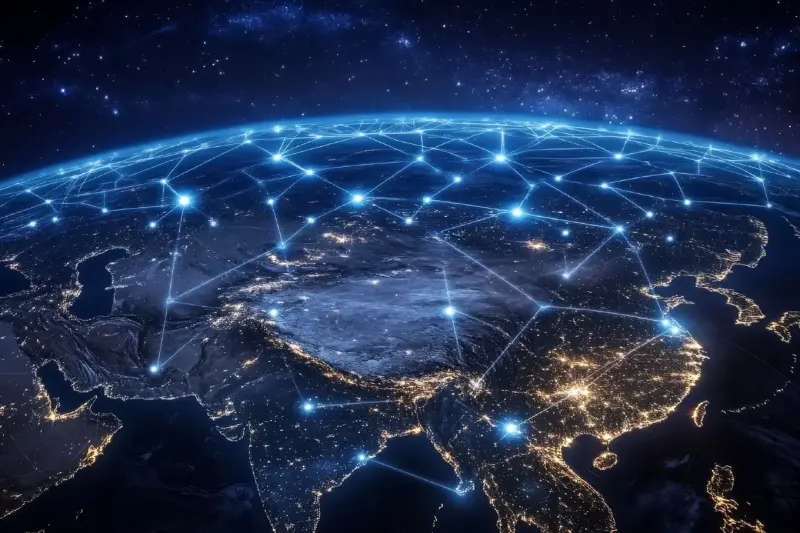
What’s Next? The Sky Is No Longer the Limit
As the Chinese supercomputer hurtles into the unknown, it carries with it dreams, questions, and no small amount of uncertainty.
- Will others catch up, or be left behind?
- Can these powerful tools be kept safe from misuse?
- And, perhaps most intriguingly: What new possibilities might unfold—ones impossible to imagine from our Earthbound perspective?
Ultimately, the race to put intelligence in orbit isn’t just about the stars—it’s about reimagining what’s possible for all of us.
So, the next time vous look up at the night sky, remember: somewhere out there, a silent machine may already be calculating the future. And that future, thanks to bold human imagination, could be closer than we think.
What would vous do if vous could harness the power of a billion minds, circling the Earth at thousands of kilometres per hour? The answers are only beginning to take shape. Stay curious.