


Sundarbans: Nature’s Living Labyrinth – Why the World’s Largest Mangrove Forest Should Be on Your Bucket List
Have you ever imagined walking through a forest where trees grow from water, tigers swim, and the air crackles with unseen mystery? Welcome to the Sundarbans, the pulse of East India and Bangladesh—a place that is as much legend as reality.
Close your eyes for a moment. Hear the salt-sweet wind rustling through twisted mangrove branches, the distant caw of a rare bird, and the ripple of muddy water concealing ancient secrets. Step into the Sundarbans with us, and discover why exploring this natural wonder will change the way vous see our relationship with the wild.
What Vous’ll Discover Inside This Untamed Eden
- The one-of-a-kind ecosystem, sculpted by tides and time
- The hidden world beneath tangled roots
- The elegant, elusive Royal Bengal Tiger
- Everyday life and lore along the forest edge
- How the Sundarbans protect—and need protection themselves
Let’s wade deeper.
Mysteries Written in Mud and Water
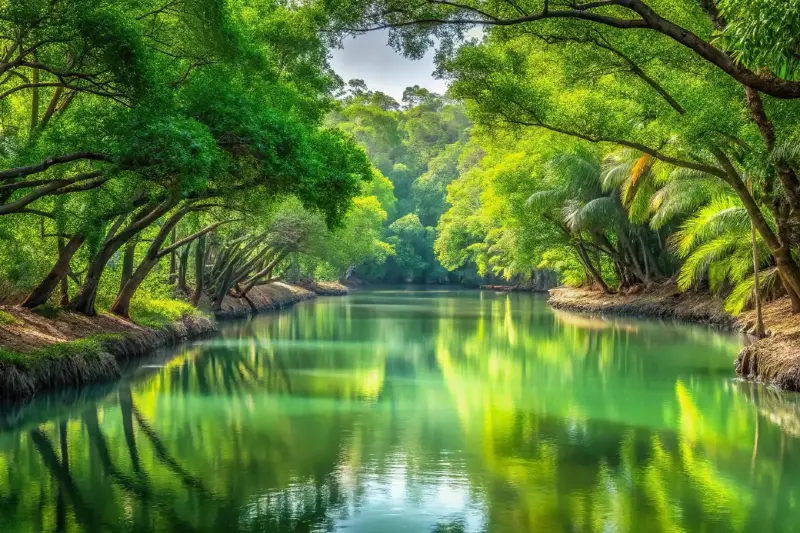
Imagine a kingdom where land and water constantly wrestle each other. The Sundarbans, stretching over 10,000 sq km across the Bay of Bengal’s delta, forms the largest mangrove forest on Earth. Here, rivers like the Ganges, Brahmaputra, and Meghna weave a tangled tapestry of islands, muddy creeks, and emerald foliage.
Unlike any ordinary woods, mangroves sprawl with their roots above water—as if they’re tip-toeing through the flood, reaching for the oxygen they crave. The air smells both sharp and sweet, a mixture of sea salt, silt, and sun-baked leaves.
Fun Fact: The very name “Sundarbans” comes from the Sundari tree, once abundant but now rare—hinting at how even this resilient wilderness is under threat.
A Sanctuary for Ghosts and Giants
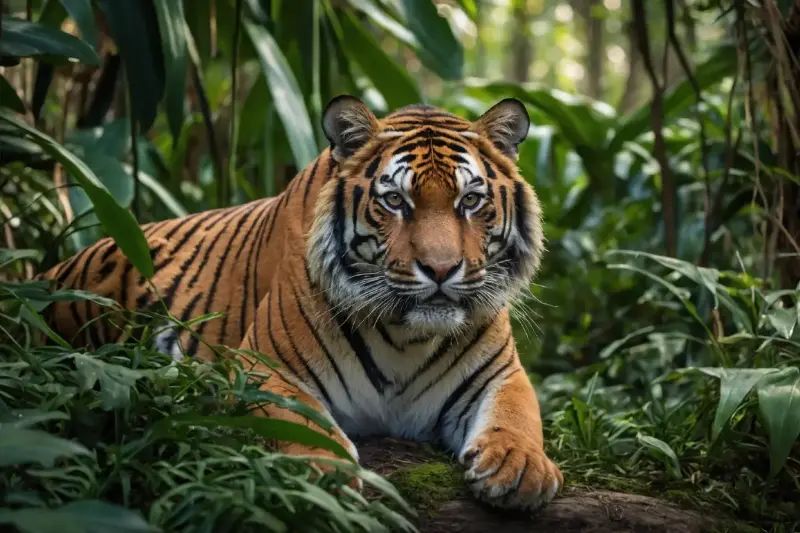
Pause and listen. Somewhere in the dense brush, a Royal Bengal Tiger pads softly, powerful yet almost invisible. This is the only place in the world where tigers are known to swim proficiently, leaping from island to island in search of prey. For locals, tigers are not just animals—they’re living spirits, protectors, and sometimes, feared adversaries.
But it’s not just tigers. The Sundarbans shelter:
- Ganges and Irrawaddy dolphins, surfacing shyly in creeks
- Crocodiles sunning themselves on muddy banks
- Over 270 bird species, including vivid kingfishers and the secretive masked finfoot
- Enchanting spotted deer, otters, and monkeys in playful harmony
Key Insight: Only a thin veil separates adventure from danger here – the Sundarbans teach vous humility before nature’s true power.
Life at the Edge: People, Culture, and Survival
For thousands of villages hugging the Sundarbans’ jagged borders, life is an exercise in courage and adaptation. Imagine waking up to the call of a fishing boat, knowing each day brings opportunity and risk, from sudden cyclones to close encounters with wildlife.
The community’s relationship with the forest is intimate:
- Honey collectors, called Mouals, brave wild interiors to gather golden bounty
- Fisher-folk thread narrow channels for a living, their skills honed over generations
- Women carry firewood from tangled groves, balancing survival and sustainability
There’s folk music, myth, and ritual here—every story a reminder that survival often means working with, not against, nature’s whims.
Why Mangroves Matter More Than Vous Think
So, why should you care about a forest growing out of seawater? The answer is both simple and profound:
- Nature’s shield: Mangroves absorb storm surges and buffer destructive cyclones, a literal lifesaver for millions
- Carbon warriors: These trees trap carbon at a world-beating rate, fighting climate change quietly
- Biodiversity banks: Lose the Sundarbans, and we risk erasing species found nowhere else
Takeaway: Every breath of humid, salty air here is a breath saved for the future of our planet.
Can This Wild Paradise Survive?
Yet, this Eden faces threat from all sides—rising sea levels, rampant development, and poaching. Each challenge chips away at its resilience.
But there’s hope. Conservation efforts—some government-led, some grassroots—aim to heal, restore, and redefine our relationship to the wild. The question is: Will we act soon enough to preserve these tangled wonders for the generations that follow?
Visiting the Heart of the Wild: Is It for Vous?
If the idea of genuine adventure tugs at your heart, consider a journey to the Sundarbans:
- Tread softly on guided tours—there’s no other forest like it
- Watch for tigers at the water’s edge, but know their secrets remain their own
- Listen to the stories of those who call the mangroves home
Pro Tip: Best time to visit is between November and February, when the weather is gentle and wildlife viewing is ideal.
A Final Whisper from the Forest
As vous imagine dusk falling over endless waterways and the hush of coming night, ask yourself: What does wilderness mean to you in a world that’s always rushing forward? Do wild places like the Sundarbans exist only on the edge of maps—or on the edge of our souls?
One thing is clear: their survival, and ours, are more entwined than ever.
So, will the haunting call of the Sundarbans draw you in? Only you can answer.