


When Too Much Groundwater Pumping Tilts the Planet: The Hidden Force Rewiring Earth’s Axis & Fuelling Global Crises
What If Your Morning Glass of Water Was Tilting the Entire Earth?
Imagine waking up, pouring yourself a cool glass of water, and unknowingly nudging the planet itself. Sounds impossible? Recent scientific revelations suggest otherwise—the way we pump groundwater is not just drying up our wells, it's quietly and powerfully shifting Earth’s very axis and fuelling global environmental disasters.
Step outside for a moment. Feel the earth solid beneath you, the air tinged with the scent of wet soil after a rare rain, city din blending with the flutter of distant leaves. It feels stable—reliable. But beneath this calm, surtout as you read this, our planet is being subtly pulled off balance by human hands.
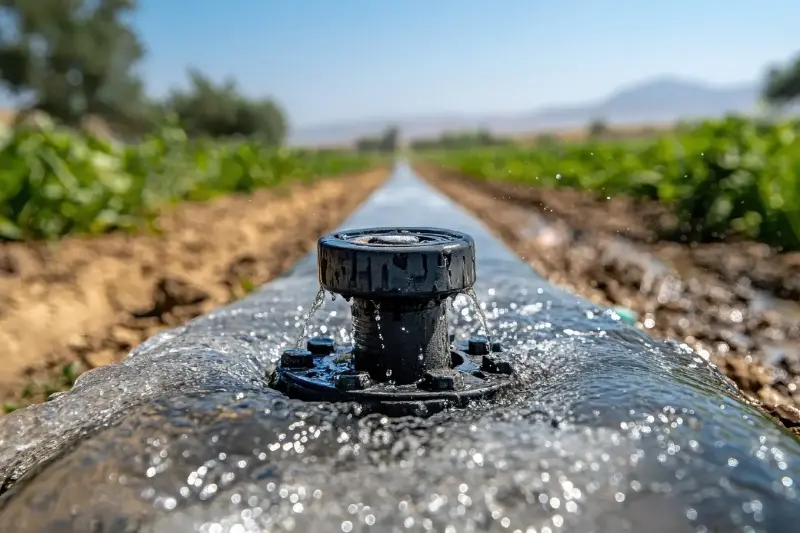
Read on, and you’ll not only grasp how human thirst is shaking planetary stability and escalating sea level rise—but discover how your choices fit into this spectacularly interconnected tale.
Drawing Down the Deep: The Silent Churn Under Our Feet
We often talk about water crisis: parched fields, cracked earth, taps running dry. But the quiet extraction of groundwater—hidden, everyday—could be powerful enough to move mountains, or at least, the planet itself.
Groundwater, the water stored deep in aquifers under the ground, is a lifeline for billions. Agriculture, cities, entire civilizations depend on it. In countries like India, farmers rely on tube wells and bore wells to survive fiercely changing weather.
But as we pump more than we replenish, nature’s balance tips.
Key Facts:
- Scientists estimate that between 1993 and 2010, humans removed more than 2,150 gigatons of groundwater—enough to fill over 860 million Olympic swimming pools.
- This water, once securely locked in the earth, flows to rivers, evaporates, and eventually makes its way to oceans.
- Result: The redistribution changes the mass layout of our planet, like a spinning top growing a bump on one side.
The Astonishing Domino Effect: Shifting Axes & Rising Seas
It might sound dramatic, but nature deals in cause and effect—and human over-extraction is triggering a domino effect. When vast amounts of groundwater are released, Earth’s “weight” shifts. Like a loaded suitcase pulling a trolley off-kilter, this shift influences the planet’s rotation and tilt.
Eye-Opening Insights:
- A 2023 study in the journal Geophysical Research Letters found that excessive groundwater pumping has shifted Earth’s axis by almost 80 centimeters in just two decades—enough to register on sensitive satellites.
- These shifts aren’t just a celestial quirk. They can subtly change weather patterns, confuse animal migrations, and even exacerbate the melting of polar ice, accelerating sea level rise.
- Sea levels are rising partly because groundwater that should stay put is joining the swelling oceans—a usually invisible process now measurably adding millimeters to the world’s coastlines each year.
The Ripple Touches Everyone: From Delhi Streets to Goa’s Shores
Why does this matter for vous?
It touches you whether you live in a crowded North Indian city, a coastal village, or among the green farms of Punjab.
- Cities like Chennai and Bengaluru suffer sinking water tables—forcing deeper drilling, harsher conflicts, and swelling urban heat.
- Coastal communities witness high tides creeping further in every year, threatening homes, heritage, and the fresh flavors of sea-air.
Each time we drain the earth’s invisible reservoirs, it’s more than a local water crisis—we are all players in shifting the world’s stage, together.
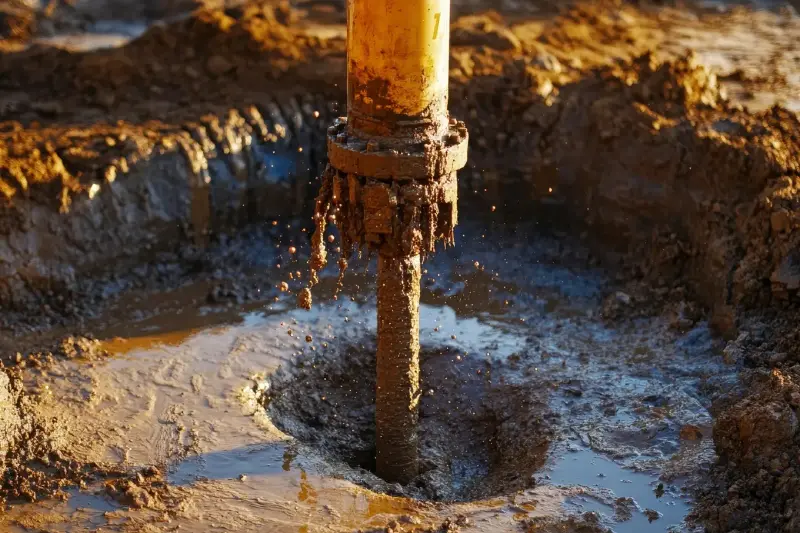
How Can Something So Small Tip The Planet?
It might feel absurd—how can your morning shower matter to the planet’s axis? Think of it as a grand orchestra where every note counts.
Consider:
- Every drop pumped moves global mass from land to ocean, tilting balance.
- Together, billions of people make billions of choices a day—adding up in silent unison.
- Local acts become global consequences: The thin thread linking village water pumps to vanishing islands in the Pacific.
A Planetary Tipping Point: What’s Next?
Are we at the point of no return, or is there hope? The beauty of nature—and human ingenuity—is in the possibility of change.
- Sustainable farming: New irrigation methods that sip instead of guzzle groundwater.
- Water recharge projects: Letting rain sink into thirsty earth—restoring balance below.
- Collective action: Community awareness turning into policy and practice.
The question isn’t just, “How much water did I use today?” but “How will today’s choices echo for the planet tomorrow?”
Your hands, policies, and wisdom could tip the scale—back to stability.
Before You Go: Are We Unwitting Architects of Change?
Pause for a moment. Feel the floor beneath your feet—a stability we take for granted, now seen anew. Does this knowledge unsettle or inspire vous?
Will you become a silent observer, or shape new rhythms—where water is a shared gift, not a silent thief torquing the entire planet?
The next time you turn on the tap, remember—the journey of that droplet is grander, and its impact deeper, than you ever imagined.
Curious? Stay tuned. The story of our shifting earth is just beginning—and together, we can be its wiser authors.