



Dear Alex,
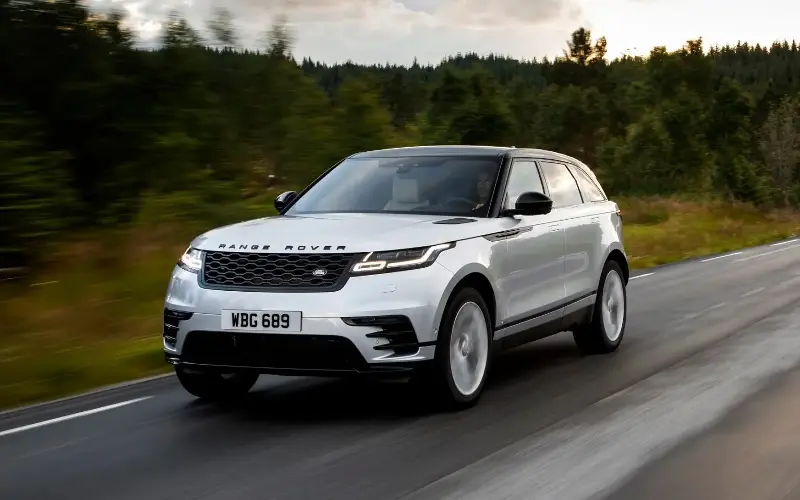
My Range Rover Velar plug-in hybrid’s engine warning light came on and the battery for the hybrid part of the engine had to be replaced. While this was covered by the eight-year warranty on the battery, the issue made me think about future residual values of a hybrid car if the battery is dead (the dealer hinted that a replacement battery has a five-figure price). Surely that means hybrid cars take a massive drop in value when the battery has to be replaced?
– DC
Dear DC,
You are right, up to a point, although it only really becomes an issue for used buyers once the battery warranty has expired; in most cars, that means at eight years or 100,000 miles.
What’s more, owners of plug-in hybrids (PHEVs) of that age will no longer feel beholden to use a main dealer. If a battery replacement is required, it will probably be done at an independent specialist, which will reduce the cost.
That’s if a full replacement is required at all. Most main dealers will replace the whole battery under warranty as it’s the quickest way to solve the problem. But as battery-powered cars become more commonplace, increasing numbers of electric vehicle specialists will be able to repair, rather than replace, batteries. This will reduce the cost further still.
Think of it this way: if you had to buy a brand-new combustion engine and have it fitted by a main dealer if something went wrong, the value of any used car would plummet once the warranty had expired. But owners of older vehicles have other options: repairs and reconditioned units, fitted by independent garages, which keep the costs at more viable levels.
Such options will become more readily available to owners of battery-powered vehicles as more and more garages invest in the skills and technology necessary to cater for their needs.
Indeed, these are the choices now starting to be faced by owners of older Toyota Prius hybrids – and many are finding that a battery repair, while still not cheap, is not expensive enough to write off their cars.
Having said that, there’s no avoiding the fact that EV batteries and the cells they consist of are, for the time being, costlier than combustion engines.
In addition, hybrids tend to chomp through their batteries more rapidly than pure EVs, because they’re put through far more charging cycles – often from zero to 100 per cent and back to zero again, which causes greater degradation over time than, say, maintaining the charge between 20 and 80 per cent.
So it may be that hybrids with larger batteries, such as plug-ins such as your Range Rover, will experience battery problems sooner, which impacts their value.
But necessity is the mother of invention – and I have a feeling that, by then, there will be more cost-effective ways to keep cars like yours on the road. So battery issues, while inconvenient, don’t in fact sound the death knell for a hybrid car.
Dear Alex,
My Skoda Citigo perfectly suits my needs but it will soon be 10 years old. I do about 6,000 miles a year (with two motorway trips, of 55 miles each, per week). Is it worth investing in a small EV and if so which would you recommend? A three-door model, not much larger than my Skoda, would be ideal. Do electric cars cost more to insure, as well as road tax? And is the cost of installing a charger at my home worth it?
– AL
Dear AL,
First things first: at 10 years old your Citigo is far from defunct and it should be relatively cheap to repair, so if it still suits your needs you might like to consider keeping it going instead of ploughing money into a much newer car. Nevertheless, if an EV appeals, plenty of suitable small cars are coming on the market.
Regarding running costs, electric cars generally cost more to insure because of the expensive nature of their batteries. They also cost more to tax, although an intelligent EV-specific charging tariff could save you as much as £350 a year given your current mileage. At the moment, installing a charging point costs about £1,000, but a government grant can reduce the installation cost by up to £500, which means you’d pay about £500 – which you’d make back in a year and a half.
There is also the extra convenience it buys you, because it cuts the speed with which you can charge your EV by almost two thirds. So if you are going to make the switch, I’d factor in the cost of installing the charger at home; it’s worth it.
An electric car would certainly suit your usage. Range anxiety won’t be a factor given the length of your motorway trips, while an EV is at its most efficient in urban driving.
There are very few three-door cars these days. If that’s not a deal-breaker, I’d recommend the Renault 5. It’s smart, comfortable, great to drive and delivers a fun “feel-good factor” thanks to the neat design of the interior.
The cheaper, smaller-battery model would suffice, although I’d suggest getting a 5 with the larger battery because it will hold its value better.
Do you have a question? Contact [email protected]