



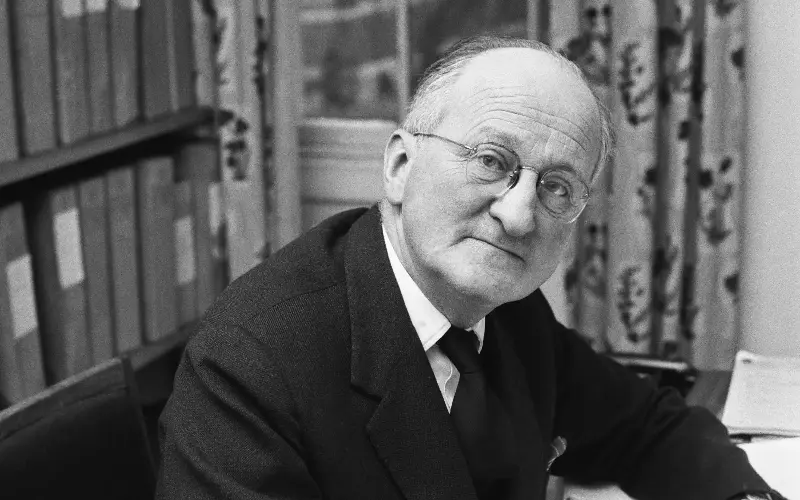
One of the best books I have read on architecture for years is Witold Rybczynski’s What Architecture Is, published next week by Yale University Press at £16.99. The author is an architect and an emeritus professor, but this is no technical, or dry academic, study of the subject. Rybczynski takes us not so much through the history of his subject (though there is an element of that), but tries to define what it is, and to indicate what makes some buildings better than others.
He begins with two architectural historians whom I have often mentioned in this column, and about whom I hope to go into more detail in the future: John Ruskin, from the 19th century, and Nikolaus Pevsner, from the 20th. He is influenced by Ruskin’s 1849 masterpiece on the nature of building, The Seven Lamps of Architecture, and divides this book into seven main aspects of the art.
“Looking Back” is about architectural precedents. “A Sense of Order” reflects upon thoughtfulness in the overall effect of a building. “The Veil of Ornament” considers decoration of a building, and why it matters. “Buildings Speak” is about how the nature of a structure should indicate its purpose. “Compelling Beauty” discusses the importance of giving a building an aesthetic charm at the same time as ensuring it is properly functional. “Architects Draw” is about the significance of the designer of a building being able to put down his or thoughts on paper properly to envisage it. Finally, “This is the Place” is about the fundamental consideration that a structure should be suitable for the location in which it is built, to create harmony with its surroundings.
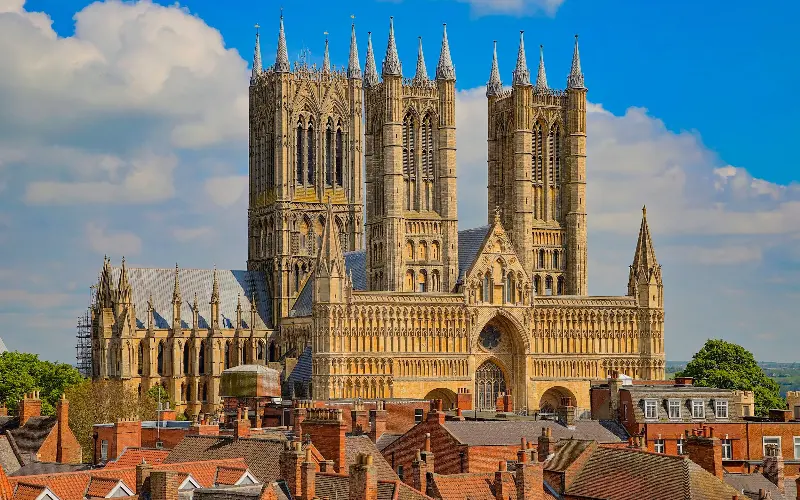
On that last point, it is painfully obvious that too many new buildings do no such thing. There is often no aesthetic or contextual consideration on the part of the architect or the client. This is where Pevsner comes in. Rybczynski quotes his famous line from his seminal 1943 work An Outline of European Architecture, in which he said: “A bicycle shed is a building. Lincoln Cathedral is a piece of architecture.” The difference is that the former is intended to be nothing other than functional; the latter was built to be an enduring monument to the glory of God.
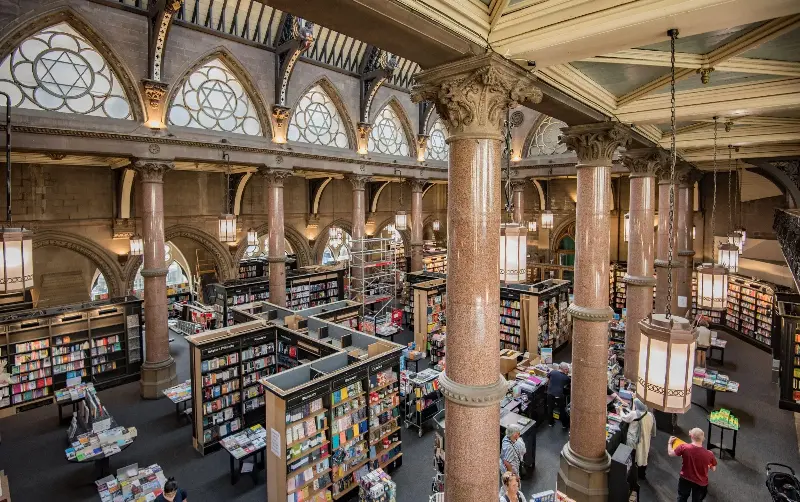
Of course, there is nothing to stop secular buildings being beautiful too, and many architects have sought, even in the industrial and post-industrial ages, to make them so. In fact, in that respect Pevsner himself was echoing Ruskin, who famously berated the merchants of Bradford in the 1860s at the opening of their wool exchange because they had built it in an Italianate style when he considered the only legitimate form of architecture for a serious building was Gothic revival. He asked them whether they would rather build “as Christians or as infidels”.
Rybczynski quotes some interesting views on architecture. One that he says flatly is “wrong”, and would have seemed mad the moment it was expressed in 1909, is the Austrian architect Adolf Loos, who called ornament a “crime” because in his view it wasted labour and effort. What, asks Rybczynski, is one supposed to do with vast blank surfaces? And what is wrong with adding an aesthetic to functionalism? Sadly, Loos was way ahead of his time, and one reason why so many buildings of the second half of the 20th century were so horrible is that, for both ideological and economic reasons, many architects and developers shared his view.
Rybczynski also, more accurately, quotes the late American architect Frank Gehry, who said in 2014: “In this world we are living in, 98 per cent of everything that is built and designed today is pure s---.” He continued: “There’s no sense of design, no respect for humanity or for anything else.” Those of us familiar with urban post-war Britain know the truth of that: at least many of those buildings have already been pulled down.
If the main value and joy of Rybczynski’s book is that it reminds us of the distinction between buildings and architecture, and teaches us to look closely and develop our taste for the latter and to deplore the former, it also has a subsidiary function. I have always thought the United States one of the most architecturally ugly places on earth. The drive to Manhattan from JFK airport can, just by looking at the mean, ugly buildings and the randomness with which they are built and situated, lower one’s mood considerably. Many of his examples of good building in the past century are, however, in the US, notably his home town of Philadelphia. It almost makes one want to visit that benighted country again.