



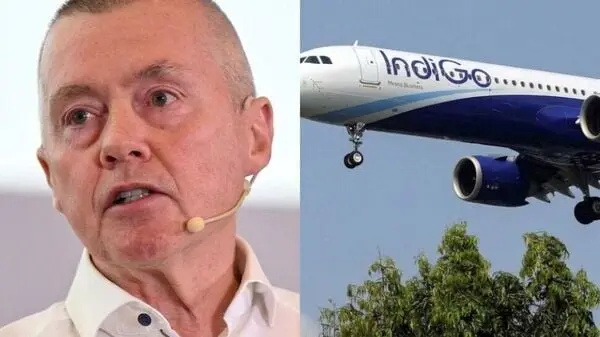
IndiGo expects to receive its first Airbus A350 wide-body aircraft in the second quarter of 2028 as India's largest airline looks to strengthen its long-haul international operations and expand its presence in overseas markets.
According to a Reuters report, IndiGo CEO Willie Walsh said on Monday that the airline had significant growth opportunities despite the challenging operating environment facing the global aviation industry.
“We see incredible opportunities,” Walsh said.
Walsh said IndiGo had established the necessary foundations to succeed in the long-haul market. The planned introduction of Airbus A350 aircraft forms part of the airline's broader international expansion strategy.
He also indicated that IndiGo would continue discussions with US aircraft manufacturer Boeing to explore potential opportunities in the future.
IndiGo set to expand international fleet with A321 XLR aircraft
Alongside its wide-body aircraft plans, IndiGo is preparing to expand its narrow-body international fleet.
Walsh said on Tuesday at a conference in New Delhi that the airline expects to have 14 Airbus A321 XLR aircraft by the end of December 2027.
IndiGo currently operates four A321 XLR aircraft and expects to add another aircraft to its fleet by the end of this year.
The A321 XLR is designed for longer-distance operations compared with conventional narrow-body aircraft. Its extended flying range will allow IndiGo to connect more international destinations without necessarily deploying wide-body aircraft.
Walsh said the airline would continue to focus primarily on short-haul operations, supported by its efficient cost structure.
High fuel costs, rupee depreciation pressure profitability
IndiGo's international expansion plans come at a time when airlines are dealing with rising operating expenses.
Higher aviation fuel prices and the depreciation of the Indian rupee have increased cost pressures for domestic carriers, particularly because several aviation-related expenses are denominated in US dollars.
IndiGo reported a net loss of ₹1,879.1 crore in the September quarter, with higher fuel expenditure and the weaker rupee weighing on its financial performance.
The airline also reduced its capacity during the quarter amid the challenging operating environment.
According to Reuters, IndiGo has cut approximately 30 flights per day to Saudi Arabia as part of its operational adjustments.
Navi Mumbai airport offers expansion opportunities
Commenting on the upcoming Navi Mumbai International Airport, Walsh said the facility represented a significant opportunity for IndiGo.
He added that the airline's decision to shift some international flights to the new airport had been taken in the company's interest.
The airport is expected to provide additional infrastructure and capacity to support the airline's future expansion in the Mumbai region.
“Airline industry situation challenging; we will continue to navigate through challenges,” Walsh said. "Airport charges are too high; Indian market will do much better with lower charges, taxes."
IndiGo currently operates more than 2,100 flights daily, making it one of the largest carriers in the Indian aviation market.
IndiGo targets 600 aircraft by 2030
The airline is also pursuing an ambitious fleet expansion programme.
IndiGo currently has more than 440 aircraft in its fleet and aims to increase the total to 600 by 2030.
Walsh indicated that the airline's deployment of Boeing 787 aircraft for international operations could provide an indication of how it may utilise its future Airbus A350 fleet.
The introduction of wide-body aircraft is expected to give IndiGo greater flexibility to operate longer international routes and compete more effectively in the long-haul aviation market.
With its A350 deliveries expected to begin in 2028, alongside the expansion of its A321 XLR fleet, IndiGo is preparing for a new phase of international growth while continuing to maintain its focus on cost-efficient operations.