



Selecting a new vehicle is no longer just about horsepower, styling, or cargo space. Fuel expenses, urban traffic, environmental awareness, and overall ownership costs all shape the decision. For many drivers, a hybrid vehicle offers an ideal balance. By combining a efficient gasoline engine with one or more electric motors, it utilizes each power source precisely where it performs best.
Hybrid technology has become significantly more refined, accessible, and widely available. From compact hatchbacks to family SUVs, modern hybrids deliver practical efficiency without requiring drivers to change their everyday habits.
Exceptional Fuel Economy in Real-World Driving
The most immediate benefit of a hybrid is a dramatic reduction in fuel consumption. Conventional engines burn fuel continuously—even while idling at red lights or crawling through traffic. A hybrid intelligently manages energy to keep costs low:
- Engine Shut-Off: The combustion engine switches off automatically when idling or stopped in traffic.
- Electric Takeoff: Electric motors provide instant, quiet torque to launch the vehicle smoothly from a complete stop.
- Impressive Range: Popular hybrids achieve around 45 to 60 miles per gallon, significantly outperforming standard gasoline cars.
Hybrids thrive in stop-and-go city traffic, turning congested commutes into opportunities for maximum energy efficiency.
Regenerative Braking Converts Motion Into Power
One of the most innovative features of hybrid engineering is regenerative braking. When you ease off the accelerator or press the brake pedal, the electric motor works in reverse as a generator, capturing energy that would otherwise be lost as heat:
- Self-Charging Convenience: Energy is stored directly in the battery, eliminating the need to plug into an outlet.
- Reduced Mechanical Wear: Because the electric motor assists in slowing the vehicle, traditional brake pads and discs experience far less wear over time.
- Seamless Transitions: Advanced software automatically balances electric and gas power for a effortless driving experience.

Lower Emissions Without Range Anxiety
Hybrids burn less fuel, resulting in noticeably lower tailpipe emissions. During low-speed city driving, many models can operate on electric power alone, keeping local neighborhoods cleaner and quieter.
While not zero-emission vehicles, hybrids offer a realistic, highly convenient bridge for drivers who are not ready for a fully electric model:
- Universal Refueling: Refuel quickly at any standard gas station during long trips.
- All-Weather Reliability: Total driving range remains reliable regardless of freezing temperatures or remote locations.
- Zero Charging Delays: Enjoy eco-friendly driving benefits without planning routes around charging stops.
Tailored Hybrid Systems for Every Driver
Understanding the different types of hybrid technology helps buyers choose the perfect setup for their daily routine:
- Conventional Hybrids (Self-Charging): Uses the engine and regenerative braking to charge a small battery. Requires no plug and boosts fuel economy effortlessly.
- Plug-In Hybrids (PHEV): Features a larger battery that charges externally, offering 20 to 60 miles of pure electric driving before the gas engine engages.
- Mild Hybrids: Uses a lightweight electric system to assist acceleration and smooth out stop-start engine operation for modest fuel savings.
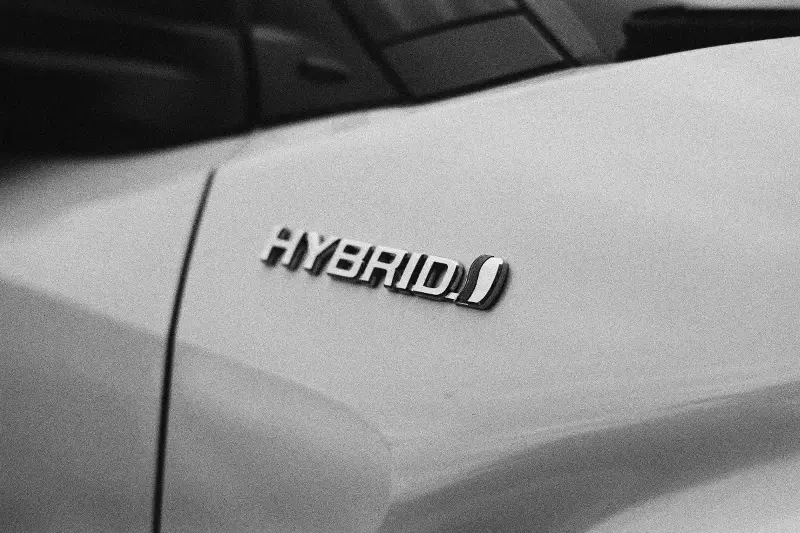
A Smooth, Comfortable, and Economical Drive
Beyond efficiency, hybrid vehicles offer a remarkably serene driving experience. Electric motors deliver instantaneous power, making city acceleration swift and silent. The absence of engine noise at low speeds creates a calm, relaxing cabin atmosphere for driver and passengers alike.
While hybrid vehicles can carry a slightly higher upfront price, the ongoing savings on fuel and reduced maintenance costs make them an exceptionally smart investment. For millions of households, choosing a hybrid makes daily motoring cleaner, simpler, and far more economical.