


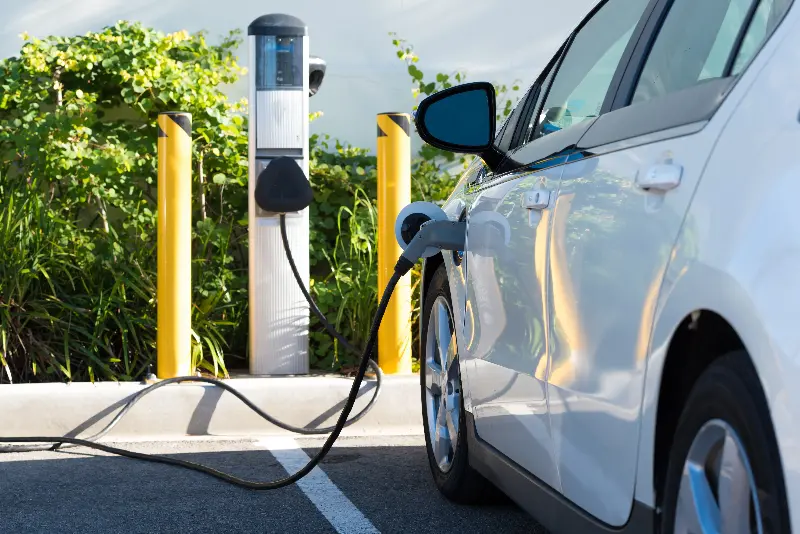
The switch to electric vehicles (EVs) is no longer a localized trend for tech enthusiasts—drivers from Beijing to Berlin are asking whether ditching the gas station for a charging port is a sound financial move. In 2026, as fuel prices fluctuate globally and carbon taxes become more common, the "cheaper than gas" headline is being put to the ultimate test.
But what does it actually cost to own an EV compared to a traditional internal combustion engine (ICE) car when you look at the global stage? The answer depends heavily on your region, your local power grid, and how long you plan to keep the keys.
Global Sticker Shock: Upfront Price Tags
One of the biggest hurdles to EV adoption remains the initial purchase price. While battery costs have plummeted by over 80% in the last decade, a price gap still exists in many markets.
- China Leading the Way: In China, price parity has largely been reached. Over 40% of electric models are priced below $25,000, often making them cheaper than their gasoline equivalents.
- Europe and North America: In these regions, EVs still command a premium, often costing 15% to 40% more upfront than similar ICE models.
- The Incentive Cushion: To bridge this gap, governments worldwide continue to offer relief. For example, Germany's 2026 Socially Targeted Program offers up to €6,000 for lower-income households, while other nations use VAT exemptions or registration fee waivers to lower the "barrier to entry".

Charging Vs. Refueling: The Energy Bill
The most immediate "win" for the EV is the daily running cost. However, the savings are not uniform across the globe.
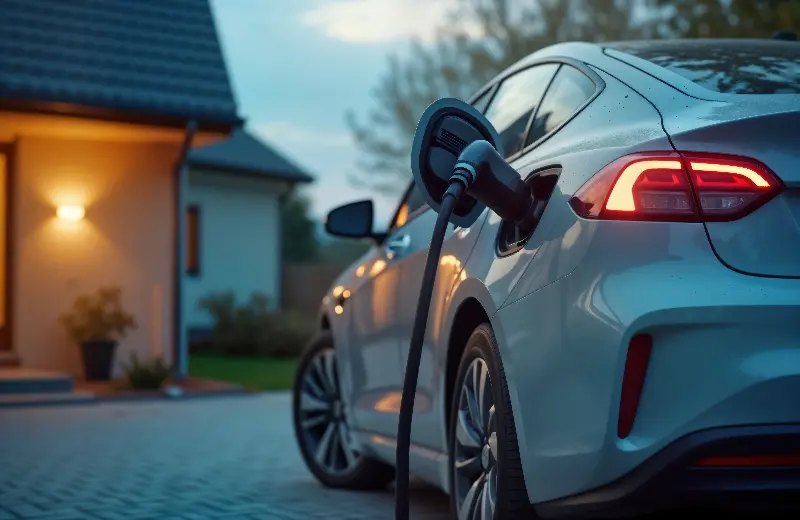
- Home Charging Gold Mine: For those with off-peak electricity rates, charging at home is the most economical way to travel. In many European countries, home charging can cost as little as €0.03 per kilometer, compared to nearly €0.12 per kilometer for petrol.
- Public Infrastructure Costs: If you rely solely on public "ultra-fast" chargers, the cost can jump significantly. In the UK, public charging can cost up to 75p per kWh, nearly narrowing the gap with fuel costs.
- The "Fuel" Stability: Unlike oil prices, which are subject to geopolitical volatility, electricity prices in many regulated markets remain more stable, allowing families to budget more effectively for the year.
Maintenance: The Mechanical Advantage
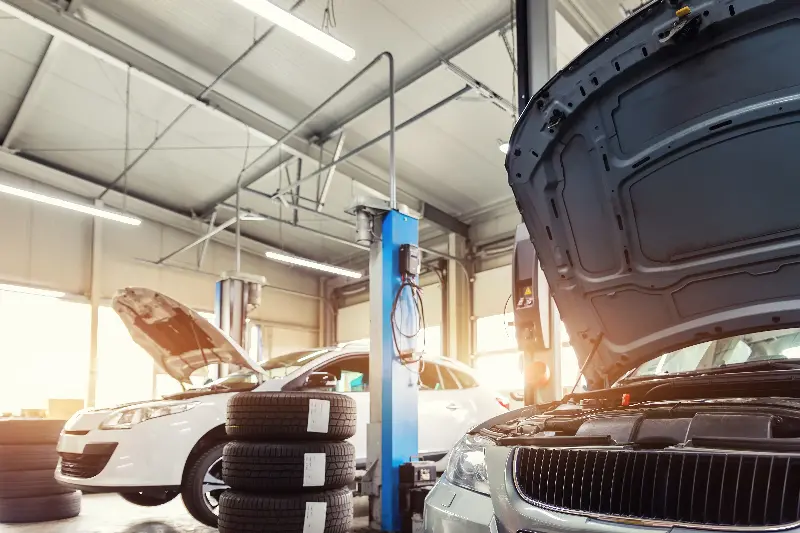
This is where the electric vehicle truly pulls ahead, regardless of which country you live in. A traditional gasoline engine has roughly 2,000 moving parts; an electric drivetrain has about 20.
What you essentially stop paying for:
- Oil & Filter Changes: Non-existent in an EV.
- Complex Transmissions: Most EVs use a simple single-speed gearbox.
- Exhaust & Emissions Systems: No catalytic converters or mufflers to rust or fail.
- Brake Longevity: Thanks to regenerative braking (where the motor slows the car to recharge the battery), traditional brake pads can last twice as long as they would on a gas car.
Global studies indicate that EVs are generally 30% to 50% cheaper to maintain over their lifetime, providing a massive "hidden" saving that offsets a higher monthly car payment.
The Battery Factor And Resale Value
The "Big Battery" fear is a global phenomenon, but 2026 data shows that modern lithium-ion and LFP (Lithium Iron Phosphate) batteries are more durable than expected. Most manufacturers now offer a global standard warranty of 8 years or 160,000 km.
Resale Reality: While early EVs suffered from high depreciation, the second-hand market is maturing. In markets like Norway and the Netherlands, used EVs are holding their value remarkably well as the infrastructure catches up. However, in regions where charging is scarce, resale values can still be volatile.

Hidden Global Costs: Insurance And Infrastructure
Before you sign the papers, consider the regional "hidden" expenses:
- Insurance Premiums: Globally, EVs cost about 12% more to insure. This is due to the specialized equipment and high-tech sensors (like LiDAR and Radar) that are expensive to recalibrate after a minor fender-bender.
- Home Setup: A dedicated home charging station (Level 2) can cost between $500 and $1,500 for installation. In some older cities with ancient electrical grids, upgrading your home's "consumer unit" can add significant cost.
Conclusion: Does The Math Work For You?
In 2026, the "Total Cost of Ownership" is the only number that matters. If you live in a region with high fuel prices (like Europe) or accessible cheap EVs (like China), the switch to electric will likely save you thousands over 5 years.
If you live in a region with low fuel costs and expensive electricity, the "break-even" point may take longer—often 6 to 8 years. Ultimately, the choice to go electric is becoming less about being "green" and more about being "green" in your wallet.