


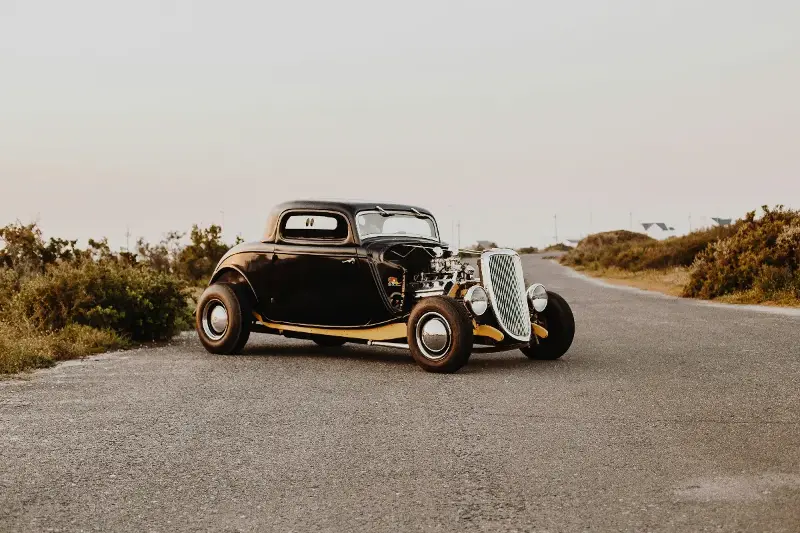
The world of classic cars is one where the lines between art, engineering, and history blend seamlessly. From the sweeping fenders of a 1930s roadster to the chrome-accented elegance of a 1960s coupe, the allure of classic car design remains unshaken. But what is it about these automotive masterpieces that keeps them so captivating? The answer lies in a combination of bold design philosophy, cultural significance, and the undeniable magic of nostalgia.
DESIGN PHILOSOPHY: WHEN FORM MEETS FUNCTION
Classic cars are instantly recognizable thanks to their unique silhouettes, refined proportions, and signature details. During the mid-20th century—the golden age of motoring—designers prioritized hand-sculpted forms that drew inspiration from aviation and architecture.
- Optimism in Motion: Designs like the sweeping tailfins of the Cadillac Eldorado expressed a spirit of progress and modernity.
- Purposeful Aesthetics: The low-slung stance of the Jaguar E-Type wasn't just for looks; it defined a new standard for aerodynamic beauty.
- Hand-Crafted Artistry: Unlike modern mass production, these machines were created with an intense focus on craftsmanship, ensuring every curve served a purpose.
TIMELESS MATERIALS AND TECHNIQUES
The physical presence of a classic car offers a sensory experience that is becoming increasingly rare. Many vintage models were built using methods that prioritize tactile quality over synthetic alternatives:
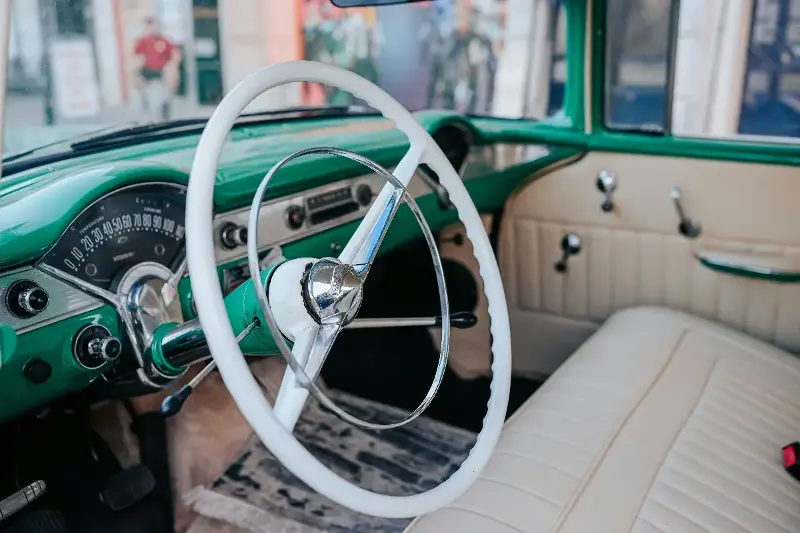
- Premium Materials: Genuine leather, polished walnut dashboards, and solid metal switchgear provide a weight and texture that digital screens simply cannot replicate.
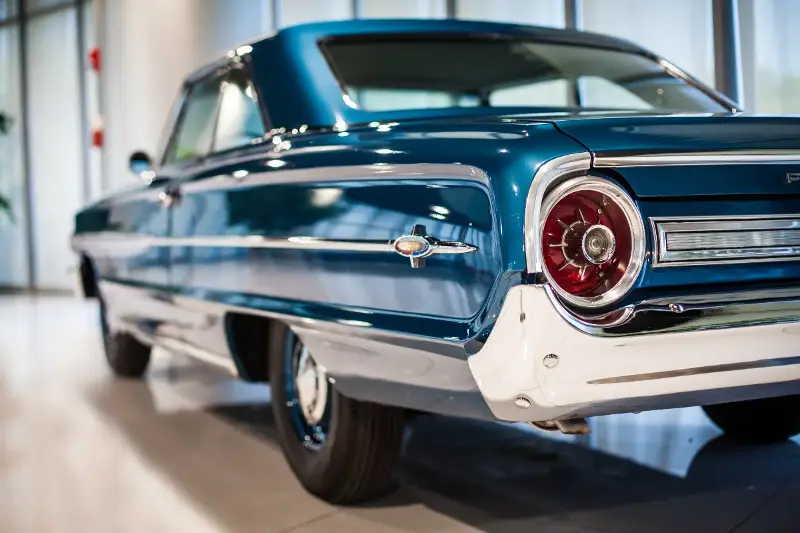
- Attention to Detail: Intricate chrome trim and hand-beaten aluminum panels highlight an era where manufacturing was treated as a labor of love.
- Enduring Quality: Because they were built to last, these vehicles retain a character and "heft" that makes them stand out in a modern landscape.
CULTURAL ICONS IN MOTION
Classic cars are far more than mere modes of transport; they are cultural touchstones. They have featured prominently in movies, music, and art, reflecting the aspirations of their generations.
Certain shapes and badges—such as those seen in iconic films—have become etched in the collective memory. They symbolize personal freedom, adventure, and sophistication. By uniting enthusiasts across generations, these vehicles foster a sense of community, proving that a shared appreciation for timeless style transcends age and background.
EMOTION AND NOSTALGIA: ENGINES OF ENDURANCE
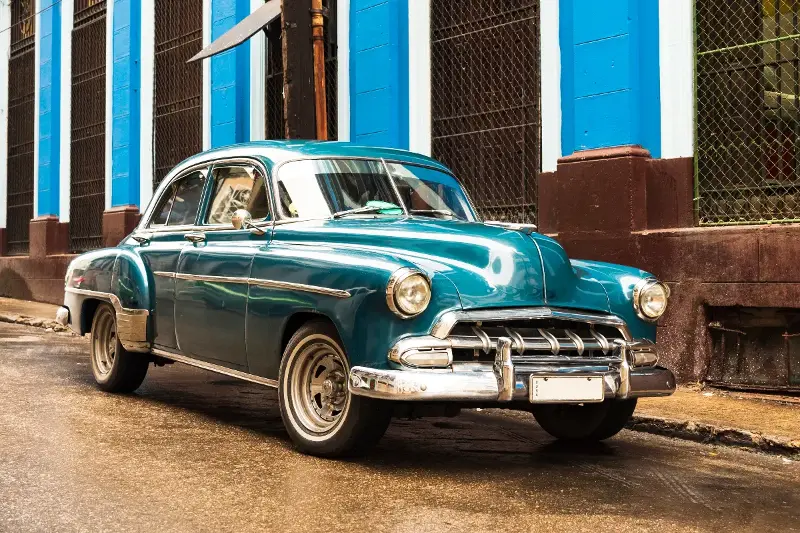
Perhaps no factor ensures the longevity of classic cars more than the emotional connection they forge. Whether they evoke memories of family road trips or a longing for a glamorous past, classic cars act as four-wheeled ambassadors for nostalgia. This emotional resonance is so powerful that it continues to drive modern design. Today’s manufacturers frequently draw inspiration from vintage forms, proving that great design is truly timeless.

INDIVIDUALITY AND THE HUMAN STORY
Unlike today’s standardized vehicles, classic cars often feature unique quirks, custom touches, and even the "patina" of age, which tell a story of a life well-lived.
- Unique Histories: Every scratch or badge of honor represents a journey taken and moments shared.
- The Restomod Movement: Modern enthusiasts are blending classic aesthetics with modern performance, ensuring these designs remain relevant and drivable in a new era.
- Constant Inspiration: Design students continue to study classic proportions and surface treatments to create the icons of the future.
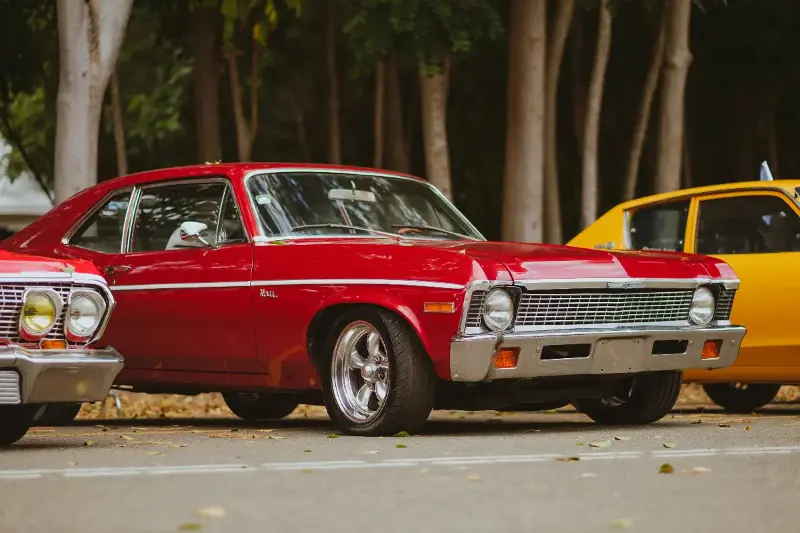
In a world of rapidly evolving trends and disposable technology, classic car design serves as a powerful reminder of the value of permanence and personality. These motoring icons demonstrate that true style is never bound by the clock; it is elevated by the passage of time.