



Are you searching for that elusive winning edge on your training field, track, or court? The secret is not just about sweat equity, grueling reps, or sheer willpower—it is primarily about what is on your plate. Nutrition serves as the unsung champion of peak athletic performance. A thoughtfully balanced meal plan does more than satisfy hunger; it boosts your energy levels, accelerates physical recovery, and leaves your muscles primed for success. This is your masterclass in athlete fueling, designed to provide the strategies and insights necessary for results you can actually feel.
POWERING PERFORMANCE: THE ROLE OF MACROS AND MICROS
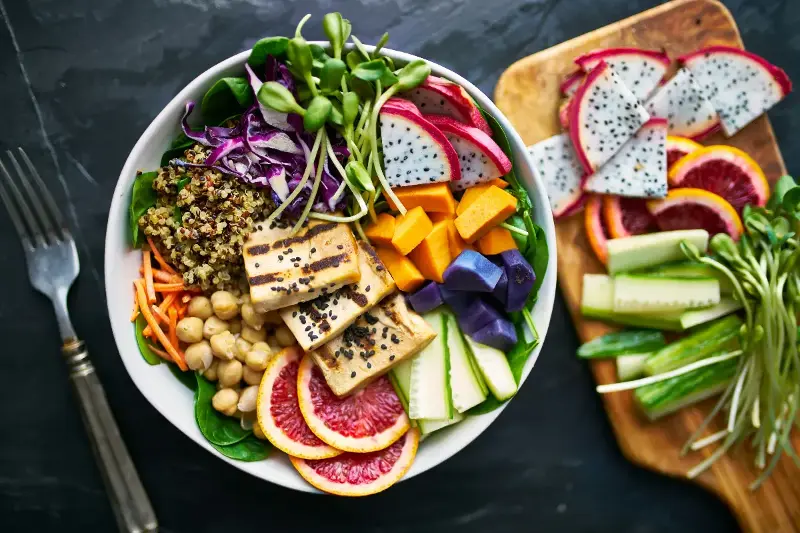
Every elite athlete understands that not all calories are created equal. Macronutrients—carbohydrates, protein, and fats—form the essential fuel trio for your body.
- Carbohydrates: These are your primary source of rapid energy, critical for explosive movements and endurance. Focus on complex options like oats, sweet potatoes, and fresh fruit for a steady stream of power. Remarkably, the natural carbohydrates in a banana can help refuel muscle glycogen almost as effectively as some commercial sports drinks.
- Protein: Known as the body’s ultimate builder, protein is composed of amino acids that repair and construct new muscle tissue after intense training. Lean meats, fish, eggs, quinoa, and legumes are staples. Research indicates that distributing protein intake evenly—aiming for 20–30g per meal—significantly improves muscle synthesis compared to consuming it all in one large dinner.
- Healthy Fats: Never snub these essential nutrients. Sources like avocado, nuts, olive oil, and fatty fish provide long-lasting fuel, support vital hormone production, and help your body absorb fat-soluble vitamins (A, D, E, and K). Many top-tier athletes utilize omega-3 fatty acids specifically to reduce inflammation and enhance recovery speed.
Do not overlook micronutrients like iron, calcium, magnesium, and vitamin D. These are crucial for oxygen delivery, bone strength, and effective muscle contraction.
TIMING IS EVERYTHING: STRATEGIC EATING FOR ENERGY AND RECOVERY
When you eat can be just as game-changing as what you eat. Your internal clock dictates how effectively your body utilizes fuel.
- Pre-Workout: Prime your body for action by combining quick-digesting carbohydrates with a small amount of protein one to two hours before training. A bagel with peanut butter or Greek yogurt with berries serves as a powerhouse pre-workout snack.
- Intra-Workout: During long-duration activities, consistent fueling prevents "hitting the wall." Endurance athletes often rely on sports drinks or easy-to-digest fruit to maintain focus and stamina during the heat of competition.
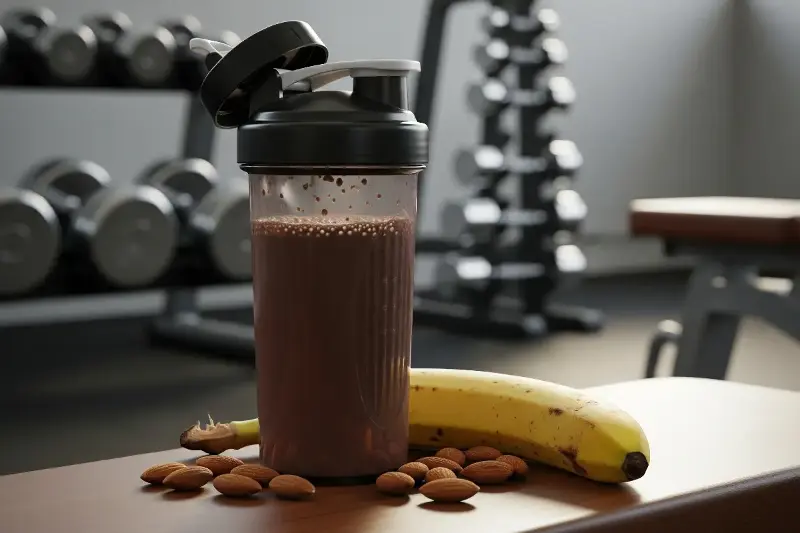
- Post-Workout: This is your golden window for recovery. Aim to eat within 30–60 minutes after exercise when muscle cells are most receptive to nutrients. Interestingly, chocolate milk is an exceptional recovery choice, offering the ideal carbohydrate-to-protein ratio to replenish energy stores and kickstart muscle repair.
HYDRATION: THE UNDERRATED MVP
Water is the ultimate performance drink. Even a minor 2% drop in hydration can measurably reduce athletic performance. Beyond thirst, proper hydration regulates your body temperature, lubricates joints, and ensures efficient nutrient delivery to your cells.
When you sweat, you lose more than just water; you lose critical electrolytes like sodium, potassium, and magnesium. Depending on the sport, you may need to supplement water intake with electrolyte-rich beverages to prevent debilitating muscle cramps and fatigue. A simple way to track your needs: weigh yourself before and after training. Every pound dropped during a session represents roughly half a liter of water lost.

SUPERFOODS AND SUPPLEMENTS: NATURE’S RECOVERY AGENTS
While whole foods form the foundation of any athlete’s meal plan, specific superfoods can provide an extra performance boost.
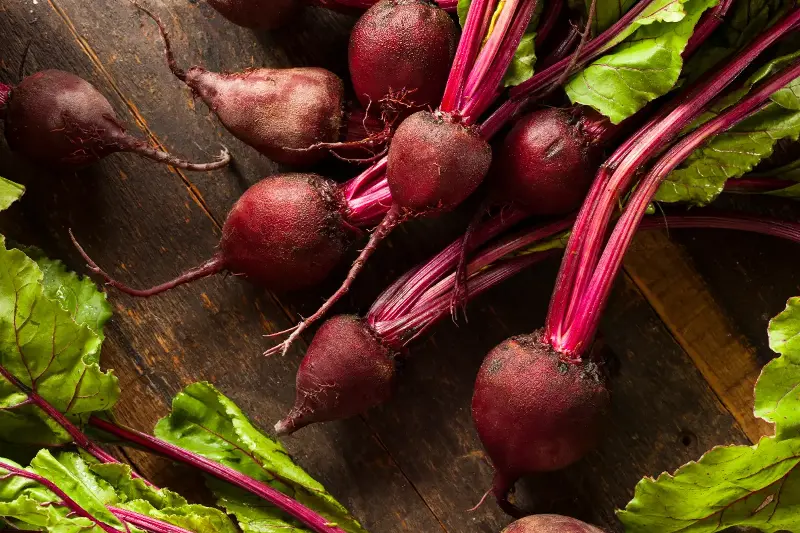
Beets, for example, are rich in natural nitrates that enhance oxygen usage; many cyclists and runners swear by them for improved endurance. Similarly, tart cherry juice is widely recognized for its anti-inflammatory properties, which can help speed up muscle recovery and improve sleep quality.
When considering supplements, always prioritize quality and professional guidance. Whey protein is excellent for rapid amino acid delivery post-workout, while creatine remains one of the most well-researched supplements for powering short, high-intensity efforts.
MINDFUL EATING: TUNING IN FOR TUNING UP
Food is fuel, but it is also a source of pleasure and cultural connection. Athletes thrive when they practice mindful eating, which means paying attention to hunger and fullness cues rather than relying solely on rigid, stress-inducing tracking.
A sustainable meal plan allows for flexibility and enjoyment. Always remember that stress management and adequate sleep are just as vital to your recovery as your nutrition. By tuning into what your body truly needs, you can build a lifestyle that supports your unique goals, crushes fatigue, and maximizes your potential. Your path to gold-level results starts on your plate.