



Beautiful, strong hair does not happen by chance. Whether you have curls, waves, or straight locks, the road to resilient hair starts well before you notice breakage or split ends. Hair health begins at the scalp and requires a balance of smart care strategies and intentional habits. Let’s uncover how to create a routine that supports strength from root to tip.
UNDERSTANDING HAIR RESILIENCE
Hair resilience is the ability of your strands to withstand stress, styling, and environmental factors. Healthy hair bends, bounces, and resists snapping, while weakened hair becomes prone to frizz and breakage. While genetics influence your hair’s natural texture, how you treat your strands makes a remarkable difference. Factors such as nutrition, scalp hygiene, and daily care all contribute to the overall strength of your hair.
NOURISHING HAIR FROM WITHIN
You are what you eat, especially when it comes to your hair. Proteins like keratin make up the structure of every strand, and your body needs a steady supply of nutrients to maintain growth.
- Protein-Rich Foods: Incorporate lean meats, fish, eggs, and legumes to supply the essential building blocks for structure.
- Omega-3 Fatty Acids: Found in salmon, walnuts, and chia seeds, these healthy fats hydrate your hair and support scalp health.
- Vital Vitamins: Biotin, vitamin E, iron, and zinc are crucial for stimulating growth and protecting against oxidative stress.
While supplements can help, a balanced diet rich in leafy greens, berries, and whole grains remains the best way to nourish your hair naturally.

SCALP CARE: THE ROOT OF STRONG HAIR
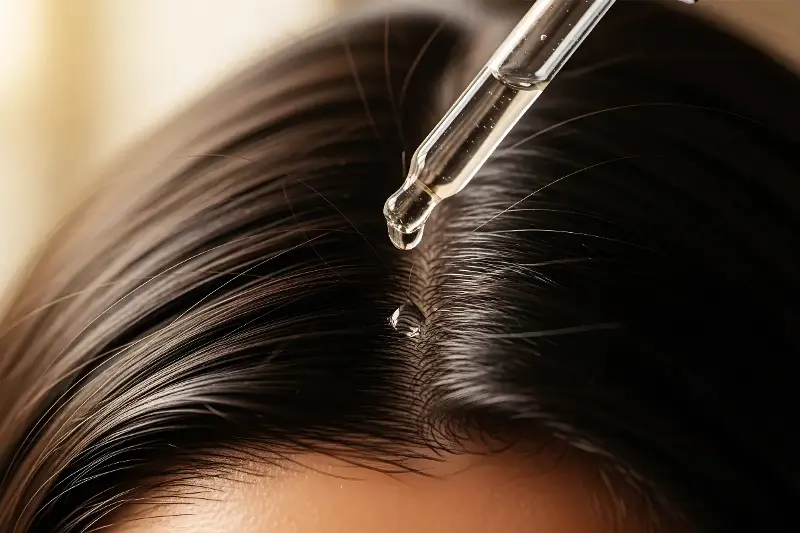
Think of the scalp as the foundation of your hair growth. When the scalp is clean and hydrated, hair follicles function at their best.
- Gentle Cleansing: Use a sulfate-free shampoo to remove buildup without stripping the scalp of its essential natural oils.
- Temperature Matters: Avoid scalding hot water, which can dry out both the scalp and the hair shaft.
- Circulation: Exfoliating the scalp once a week improves blood flow and removes dead skin cells, creating a healthy environment for new hair to emerge.
SMART CONDITIONING AND MOISTURE MANAGEMENT
Moisture is non-negotiable for resilience. Conditioners help close the hair cuticle, locking in hydration and preventing future damage.
- Focused Application: Apply conditioner to the mid-lengths and ends of your hair, where strands are most vulnerable to breakage.
- Heat Protection: If you must use heat tools, always apply a heat protectant first. Use the lowest effective setting to preserve the structural integrity of your hair.
- Deep Repair: Use weekly conditioning masks rich in proteins and oils to provide intensive support against styling damage.
TAILORING YOUR DETANGLING AND STYLING APPROACH
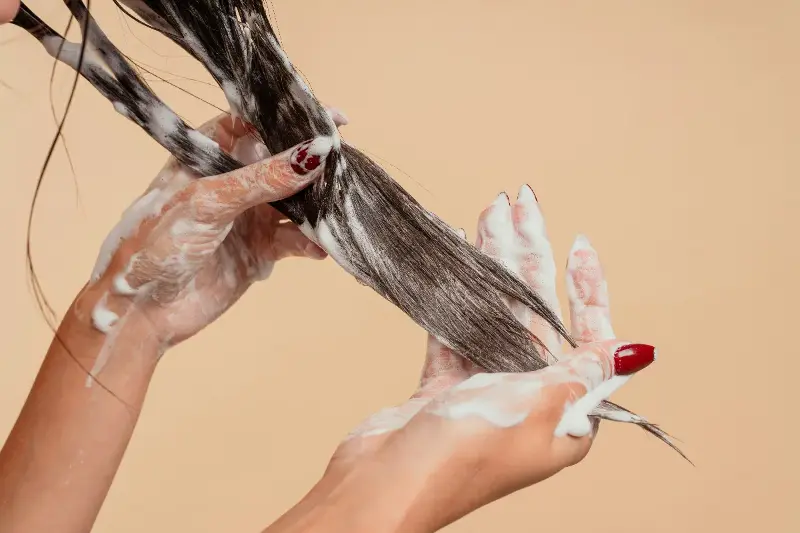
How you handle wet hair is vital, as strands are most susceptible to stretching when damp.
- Gentle Detangling: Always use a wide-tooth comb, starting from the ends and working your way up to the roots.
- Protective Styles: Loose braids, buns, or twists minimize stress on the hair and reduce tangling.
- Soft Accessories: Opt for soft fabric scrunchies rather than tight elastics, which can cause hair to snap or crimp.

LISTENING TO YOUR HAIR’S NEEDS
Building hair resilience requires patience and consistency. Every head of hair is unique, so pay close attention to how yours responds to different products and routines. If you notice persistent thinning or changes in texture, adjusting your approach or consulting a professional can help. By supporting your strands with mindful habits, you are setting the stage for your healthiest hair yet.