



In a world where knowledge is just a click away, mastering self-education has become both easier and more overwhelming than ever. The abundance of online courses, podcasts, and articles means that anyone can become a self-taught expert in nearly any field.
However, the modern challenge lies not in finding information, but in knowing what truly matters. As the information age expands, the ability to filter out digital noise becomes the ultimate key to genuine learning and personal growth.
THE DOUBLE-EDGED SWORD OF ENDLESS INFORMATION
Access to limitless information is the ultimate advantage for personal development. Online platforms like Coursera and Udemy offer university-style courses in everything from art history to artificial intelligence. Never before have learners been so empowered to direct their own education.
Yet, more is not always better. Consider these striking realities of the digital age:
- Cognitive Overload: The average person consumes almost 74 gigabytes of information per day—the equivalent of streaming sixteen high-definition movies.
- Finite Capacity: The human brain can suffer when faced with too much fragmented content, leading to decreased retention.
- The Threat of Misinformation: The World Economic Forum has identified misinformation as a significant global threat. Important ideas often drown in a sea of clickbait and digital "static."
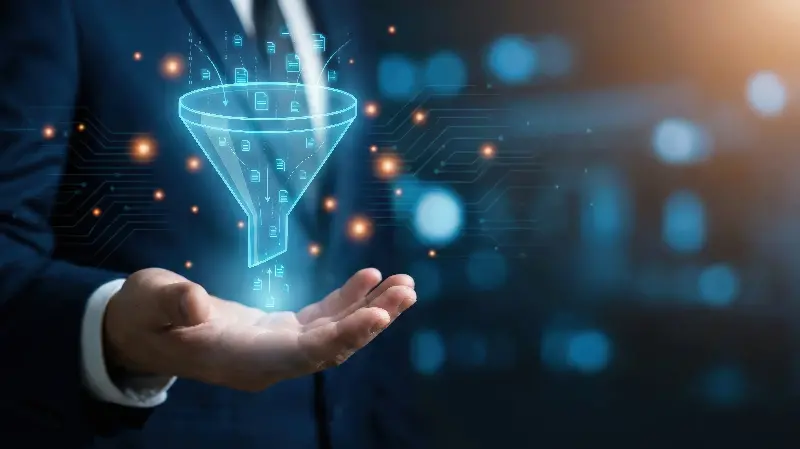
BUILDING YOUR PERSONAL KNOWLEDGE FILTER
Self-education begins with curiosity, but it matures with discernment. To master learning today, you must build a personal knowledge filter by clarifying your "why".
Knowing your goals—whether advancing a career or mastering a language—keeps you focused. To strengthen your filter, apply these principles:
- Prioritize Quality Over Quantity: In-depth learning comes from engaging with sources that challenge you, such as peer-reviewed articles or books by respected authors.
- Evaluate the Origin: Ask who created the information and why. Is the source credible, or do they have something to sell?
- Cross-Reference: Fact-check with multiple trusted outlets, such as scientific journals or reputable news organizations, to shield yourself from falsehoods.
EMBRACING ACTIVE LEARNING TECHNIQUES
Filtering content is only half the battle; absorbing knowledge is just as important. Research consistently shows that passive consumption—such as endlessly scrolling through feeds—rarely leads to deep understanding.
The art of self-education lies in active engagement. One effective approach is the Feynman Technique, named after physicist Richard Feynman. This method involves:
- Explaining complex concepts as if teaching them to someone else to reveal gaps in your own understanding.
- Taking notes by hand and summarizing ideas in your own words.
- Applying lessons immediately to real-life scenarios.
To prevent overwhelm, many successful learners follow the “just-in-time” rule. Rather than trying to master everything at once, they learn specific skills only as the need arises, making the information immediately relevant and easier to remember.
CREATING A HEALTHY DIGITAL CONSUMPTION HABIT
Information overload is a lifestyle challenge. Establishing boundaries is crucial for mental clarity and long-term success. This might include:
- Setting dedicated “learning hours” free from digital distractions.
- Curating your environment by following thought leaders and unsubscribing from shallow or repetitive content.
- Auditing your "content diet" regularly to ensure every channel contributes to your larger goals.
Lastly, remember that growth thrives in community. While self-education puts you in the driver’s seat, discussing ideas with mentors or learning groups deepens motivation. Sometimes, the best filter for knowledge is a conversation with someone you trust.

THE REWARD OF LIFELONG LEARNING
Mastering self-education is less about cramming more into your brain and more about making wise choices amid abundance. By learning to filter out the noise and build constructive habits, you unlock richer, more useful knowledge. The world’s well of information is endless, but your mind’s capacity for growth is just beginning. By staying clever and curious, you ensure that your learning journey is both focused and fulfilling.